
 Shelley Enger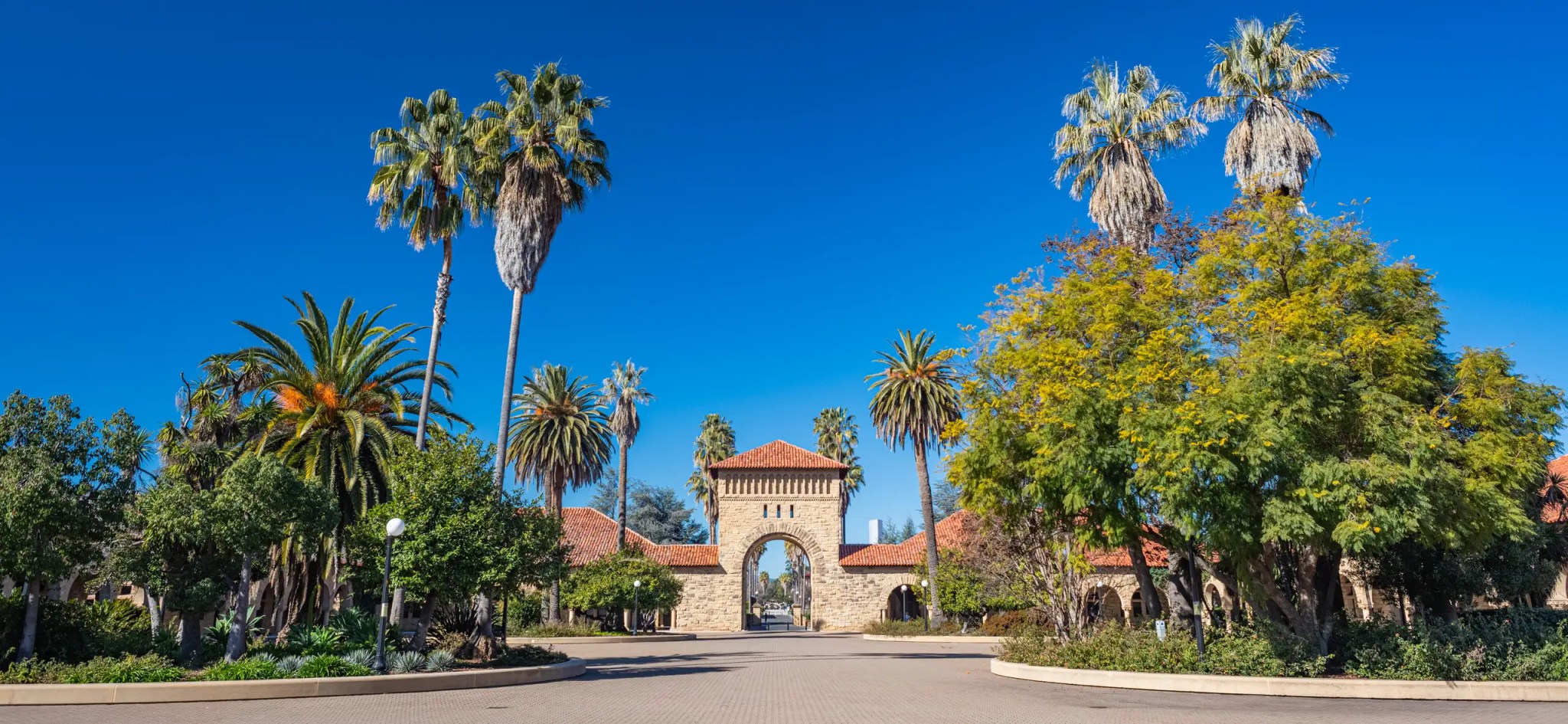
High school juniors should be in the process of building their college lists now, and we thought this would be a good time to talk about admissions to the most selective colleges. For some students, applying to these colleges can make sense, but we also believe that students should understand the odds they face and gain insight into what those colleges are looking for, including factors out of applicants’ control.
What are exceptionally selective colleges (ESCs)?
In this article, we refer to only the most selective colleges—those admitting fewer than 1 in 10 applicants (<10%), or, in many cases, fewer than 1 in 20 (<5%). We call these colleges exceptionally selective. These colleges are substantially more difficult to get into than colleges that admit between 10% and 25% of applicants, which are still considered highly selective.
Examples of research universities that qualify as ESCs include every school in the Ivy League, as well as Caltech, Duke, Johns Hopkins, MIT, Northeastern, Northwestern, NYU, Rice, Stanford, UChicago, USC, and Vanderbilt. Examples of liberal arts colleges that qualify as ESCs include Amherst, Barnard, Bowdoin, Colby, Middlebury, Pomona, Swarthmore, and Williams.
In addition, some public universities may have exceptionally selective admissions overall, for non-resident applicants, or for certain majors. Examples include Georgia Tech, UC Berkeley, UC Irvine, UCLA, University of Illinois, University of Michigan, University of North Carolina at Chapel Hill, University of Texas at Austin, University of Virginia, and University of Washington.
What are the academic qualifications of student admitted to ESCs?
The vast majority of applicants to ESCs are highly qualified for admission academically. They have typically taken the most rigorous courses available to them at their high school, maxing out the curriculum in their core subjects: English, math, history, science, and foreign language.
Admissions officers at ESCs often remark that they could fill the freshman class five (or more) times over with equally qualified applicants, making their jobs very difficult.
Curriculum
ESC admitted students who come from high schools that offer an AP and honors curriculum typically take such classes as soon as they are available to them, and sometimes take additional college or online AP classes and AP exams. Typical classes completed by ESC admits include:
- English through AP English Language and AP English Literature;
- Math through AP Calculus AB and/or BC (whichever is the highest level available) or beyond, if offered, such as multivariable calculus, linear algebra, and differential equations;
- History through AP World History and/or AP European History, AP Government and AP Economics;
- Science, including all three core subjects (biology, chemistry, and physics), and through at least two core AP science classes (AP Biology, AP Chemistry and/or AP Physics C[a]);
- Foreign language through AP Language.
In addition, these highly accomplished students may choose to take one or more additional AP courses and potentially some dual enrollment or concurrent enrollment courses through their local community college.
Students at high schools that offer an IB curriculum typically complete the full IB Diploma, which requires completing a minimum of three higher level (HL) IB courses and a minimum of 6 courses overall; 150 hours of CAS (Creativity, Activity and Service); the 4,000-word Extended Essay (an original, independent research paper); and Theory of Knowledge, a required introductory epistemology course.
Academic accomplishment
In nearly all cases, students admitted to ESCs have earned a 3.9 to 4.0 unweighted GPA, meaning all or nearly all A’s in all classes. They also have exceptionally high test scores, such as a 1550+ SAT or 35+ ACT, or a score considered exceptionally high for their high school; mostly 5s on AP exams; and mostly 7s on IB exams.
Students whose academic profiles are somewhat less competitive can sometimes be admitted, if there are unusual family, personal, or school circumstances that have affected the student’s academic performance or ability to take advantage of the available advanced courses offered. If this applies to a particular applicant, the applicant must explain the circumstances clearly in the application and be doing exceptionally well in their courses by 11th and 12th grades.
How do colleges know how rigorous an applicant's curriculum is?
Because every high school curriculum is different, ESCs evaluate each applicant’s curriculum in the context of what courses were available to them and what they chose to take relative to other students from their high school. Colleges conduct this evaluation based on documentation the high school sends to the college on the applicant’s behalf, or from information gathered by the university and embedded into the software they use to review and evaluate applications.
Colleges that use the Common Application receive two important documents from the high school counselor: the School Profile and the Common Application School Report. The School Profile is prepared by the counseling office and provides a lot of information about the school, including average SAT/ACT scores, size of the graduating class, and advanced course offerings (e.g., AP, IB, honors, dual enrollment, etc.). The Common Application School Report is prepared by the applicant’s counselor, and provides additional details about the school and its curriculum. In addition, the counselor compares the applicant’s curriculum with the curriculum of other college prep students at their school using a rating scale: Less than demanding, Average, Demanding, Very demanding, Most demanding, or Prefer not to respond.
University of California campuses use the UC Application, and the application software platform is populated with information about all classes offered at each California high school. The admissions offices can use this information to evaluate the self-reported academic information from each applicant in the context of the academic offerings at their high school and their peer applicants. Different UC campuses evaluate applications somewhat differently, but they all take into consideration the strength of an applicant’s academic profile within their high school context.
ESCs have many ways to determine how rigorous an applicant’s curriculum is relative to other college prep students from their high school.
What other key aspects of an application do ESCs consider?
Once a college admissions committee has determined that an applicant is highly qualified academically based on the factors described above, the committee looks for other factors in determining admissibility.
Key personal qualities admissions officers look for:
- Intellectual curiosity
- Creativity and originality
- Self-driven accomplishments
- Character and maturity
- Leadership and impact
- Service to others
- Exceptional talent
Being exceptionally qualified academically is necessary for admission to ESCs because there are far more exceptionally qualified applicants than ESCs can accept, but it is not sufficient for admission. Once an applicant is determined to be academically qualified, other factors will determine whether the applicant will be admitted.
Evidence of these factors can be found throughout the application. The applicant’s activities and their descriptions reveal a lot about what the applicant is interested in and what they are doing and learning. The essays provide an opportunity for applicants to reflect on their life experiences, in and out of the classroom, as well as their motivations and goals, in their own voice.
Parents and students often ask us what activities the student should be doing to make their application more competitive. There is no single activity or set of activities that will distinguish an applicant to an ESC. What we have learned from our own students’ experiences, which aligns with what ESC admissions officers continually report, is that the students who are highly inquisitive and engage at a very deep level in their activities are the most likely to be successful in the ESC admissions process. When students engage in activities at a very deep level, such as in research, their mentors take notice and the mentors’ letters of recommendation are much stronger and more impactful than they are for students who are engaged in activities simply to strengthen their college applications.
The teacher, counselor, and mentor letters of recommendation describe the applicant’s performance, motivations, and behavior in the classroom and in activities outside of the classroom. However, the most selective ESCs aren’t merely interested in fantastic students who are among the top students (or are the top student) in their graduating class; they are looking for students who are perhaps the best a counselor, teacher, or mentor has ever worked with. They are looking for future world leaders, Nobel Prize winners, award-winning authors, and global innovators. These letters can make or break an application to an ESC.
It is hard to understand and appreciate the subtlety of the language used in letters of recommendation that elevates the most exceptional applicants within a very strong pool of applicants.
The following are examples of the type of language ESCs are looking for in counselor and teacher letters of recommendation:
“He is a once-in-a-career student.”
“She is the most extraordinary, intellectually engaged student I have taught in my 20 years as a teacher.”
“He is by far the most advanced math student I have ever taught, working at the level of a third-year student at MIT, my alma mater.”
The following are examples of typical language included in research mentor letters of recommendation for exceptional students:
“I thought she was a master’s student and was shocked to learn she was only 16. She is so competent and mature, and she asked questions that revealed a depth of understanding unusual for a college student, let alone a rising high school junior.”
“He far exceeded my expectations in the lab, performing at the level of a graduate student, despite being the first in his family to attend high school(!) and his lack of resources. He will absolutely soar in a well-resourced college environment.”
ESCs are also highly interested in students who are collaborative, kind, and supportive of others.
“In addition to his remarkable accomplishments, he is also humble and grateful for his opportunities, and he is highly respected by his peers.”
“She was so generous with her time and knowledge, running homework and test prep sessions for her classmates despite spending 20 hours each week at ABC University doing research.”
ESCs are looking for truly exceptional applicants, and the letters of recommendation are a very important way for ESCs to identify the truly exceptional.
Examples of Successful ESC Applicants
ESCs want to enroll students who have the potential to make a significant, positive, impactful difference in the world in whatever profession they pursue, and the best evidence that an applicant has that potential is their level of accomplishment in high school. In addition, successful ESC applicants are typically highly accomplished in at least one area, but they often explore a broad range of disciplines and interests.
The two examples below are based on descriptions in news articles of real students’ accomplishments, but we have chosen to anonymize them. Both students showed deep, self-driven engagement over many years leading to creativity, original thought, and national recognition, but they are also deeply engaged in other pursuits.
These students' names have been changed for privacy.
Maya
Maya conducted mentored neuroscience research in high school and developed an innovative algorithm to reduce poor outcomes from mental health crises. For her research, she earned one of the special awards (including a large scholarship) and First Award in her science category at the Regeneron International Science and Engineering Fair (ISEF). Per her LinkedIn page, Maya was also a finalist at the Regeneron Science Talent Search, a US Presidential Scholar, and an AIME qualifier (multiple times), and she earned multiple awards, including first-place, at the National Science Olympiads. In addition to these and many other accomplishments, she volunteered extensively throughout high school. Maya currently attends an ESC.
Jackson
Local articles at the time described Jackson as having joined his school’s debate team as a freshman. He enjoyed it so much that he started a tutoring business to pay for the entry fees for competitions. He competed in debate tournaments nearly every week of his junior year, building excellence in his debate skills. As a senior in high school, Jackson qualified for the National Speech and Debate Championships, and he went on to win the US national championship in his category. Jackson was Student Body President of his school and earned a prestigious Coca Cola Scholar award. He also volunteered extensively in high school, and he has a broad range of interests, including computer science, languages, and product management. Jackson currently attends an ESC.
Recently, an exceptional high school student was featured in an article in Phys.org for his original research developing an AI algorithm that identified “1.5 million previously unknown objects in space.” He was the only author on the paper he wrote that was published in The Astronomical Journal, quite a feat for a senior in high school!
Were these young people unusual in their intellectual curiosity, originality, and accomplishments as high school students compared with other high school students? Yes, without a doubt. Were they unusual relative to other successful ESC applicants? Not necessarily.
ESCs enroll many undergraduates each year who have earned national or international distinction in one or more areas; performed impactful scientific research; had extensive leadership at the community, state, or national level; demonstrated exceptional talent in the creative arts; and so forth.
Evidence of an applicant’s potential does not only have to occur through competition. It can manifest as a deep, unrelenting interest in nearly any area. Just a few examples are becoming proficient or fluent in multiple languages, studying a visual or performing art at a very high level, engaging in self-directed or mentored research on ideas conceptualized and actualized by the student, writing and publishing a novel or book of poetry, or founding and leading a business or organization with state, national, or even international impact.
Other Factors in ESC Decisions: Institutional Priorities
Stakeholders and regulations
ESC admissions committees consider several other factors as part of their application review process because they have many stakeholders to please, including the faculty, board of trustees, and alumni. The faculty want to teach well prepared, engaged students. Boards of trustees must ensure the financial viability of the college, which depends at least in part on tuition revenue. Alumni, who comprise the largest donor base for a college, want to see their alma mater thrive and grow in prestige. Colleges must also adhere to state and federal admissions regulations, including limiting the number of non-resident students at public universities (in some states) and prohibiting race-conscious admissions policies.
Tagged applicants
The factors that college admissions offices must take into account to satisfy stakeholders and comply with state and federal regulations are called institutional priorities and vary from college to college. Applicants who have certain characteristics, talents, family backgrounds or other specific traits stakeholders are interested in are called “tagged” or “hooked” applicants.
Examples of tagged applicants:
- Recruited athletes
- State residents (public universities)
- Applicants with evidence of exceptional talent
- Children of faculty
- Children of alumni (legacies)
- Children of major donors
- Celebrities or other VIPs and their children
- Applicants to undersubscribed majors
Recruited athletes
Of all the “tags,” being a recruited athlete probably carries the greatest weight in admissions at many colleges. The probability of admission for a recruited athlete is often 80 to 90% or higher once the coach has offered the applicant a roster spot and the athlete’s application has been reviewed and approved by the admissions office. The admissions review is done to ensure the athlete is academically qualified for admission and likely to be academically successful at that college. Generally, recruited athletes are academically strong applicants, with rigorous classes and high test scores, though they often have fewer extracurricular activities related to their proposed major because of the great time commitment required for achieving excellence in their sport.
State residency
Many of the most selective public universities are located in states that have legislated admissions caps on non-resident (out-of-state) applicants. For the most selective universities in those states, being a resident is an important tag. For non-residents, the admissions bar can be slightly, moderately, or substantially higher than for residents, especially when applying to highly competitive majors. States with admissions caps of 20% or less for non-residents at their most selective public flagship universities include California, Florida, North Carolina, and Texas.
Exceptional talent
Tagged applicants include those who display evidence of exceptional talent or excellence in many academic and non-academic areas. For example, Olympic athletes are highly desired by colleges, even if the college does not field a team in that sport. Other examples include finalists in International Science Olympiads or VEX Robotics World Championships, AIME (math) qualifiers, and visual or performing artists who have earned significant accolades within their art. Earning national or international accolades in less common areas, such as astrophotography, journalism, or cybersecurity, for example, can also make an applicant desirable.
Children of faculty and alumni
Colleges, especially private ones, have long given extra consideration in the application process to these students, who gain admission at rates substantially higher than would be expected for equally qualified applicants. Children of faculty and alumni can have ESC admit rates as high as 30-50%, depending on the college. It is important to note, however, that these applicants are often highly qualified both academically and in their non-academic experiences. Over the last few years, there has been a move away from considering legacy status as part of the admissions process in an effort to achieve greater fairness. Some states have banned the use of legacy in public university admissions, and some, including California, have banned its use in admissions for all universities and colleges.
Children of the well connected
Children of major donors, celebrities, or other VIPs—or applicants who are celebrities or VIPs—are also given extra consideration, especially at private colleges and universities. These students bring prestige and the potential for major financial support to the college. The level of donation (or potential donation) required to designate a parent (or grandparent) a “major” donor depends on the college, but for ESCs, it is generally believed to be eight figures or higher.
Applicants to undersubscribed majors
Many applicants try to game this tag to their advantage by applying to what they believe may be an undersubscribed major. The problem with this approach is that colleges often don’t reveal which majors are undersubscribed or if the admissions committees give extra consideration for those majors. In addition, admissions committees are adept at spotting applicants trying to game the system because those applicants often have only light connections to their chosen major. In addition, at some colleges it can be difficult or impossible to transfer into the major the applicant truly desires after admission; in those cases, you must apply to the major you hope to graduate with.
It helps to understand also that some universities strongly consider the applicant’s choice of major (e.g., Mechanical Engineering) or the college the major lives in (e.g., College of Engineering) as part of the admissions process, while others give it very little consideration. So, while the major (or college) a student applies to may not be a “tag” in the admissions process, it can play a large role, especially for highly impacted majors, meaning there are far more applicants than spots available. Majors that are typically impacted are nursing, business, specific engineering majors, computer science, biology, economics and psychology. Data science is also becoming increasingly popular.
Different colleges place a different amount of weight on each of the institutional priorities shown above, and all colleges have additional priorities specific to their campus community. It is not usually possible to determine what those priorities are.
The Impact of Tagged Applicants
The smaller the college, the larger the impact of tagged applicants on the admissions process. For example, based on publicly available data, nearly 50% of students Harvard admitted in previous years have been tagged applicants, meaning that only about 50% of the seats in the freshman class were available for untagged applicants.
At smaller colleges, tagged applicants may comprise a large portion of the freshman class, which makes the application process even more competitive for untagged applicants.
Of the roughly 1,950 admissions offers Harvard typically made each year, about 950 have been given to tagged applicants, leaving only about 1,000 offers for untagged applicants. Less than 2% of untagged applicants are admitted, meaning more than 98% are denied each year.
There are more than 26,000 high schools—each with its own valedictorian or top student—but there are only about 30 ESCs across the US. The most competitive private and public high schools typically have multiple—sometimes more than two dozen—applicants to individual ESCs each year, but no matter how rigorous the high school, no ESC is going to admit all qualified applicants from a given high school. There is not enough space. This doesn’t even include international applicants.
There is a reason why these colleges are called “highly rejectives.”
Final Thoughts
So, what does this mean for you? Every student—no matter how strong they believe their application to be—needs to build a balanced college list. You should apply to a minimum of two colleges that you are highly likely or guaranteed to be admitted to (“likely” colleges). You should also apply to several “target” colleges, where your GPA, course rigor, and test scores are at least around the 50th percentile for admitted students. All colleges on your list should be ones that are a great fit for you in terms of the academic programs and the other factors that matter to you most, such as size, location, climate, social experience, research opportunities, internship or co-op opportunities, housing options, and so forth. If you have ESCs on your list, you stand a better chance of being admitted if you have clear and specific reasons for applying to those colleges, beyond the fact that they are prestigious and have great reputations.
The phrase comparison is the thief of joy could not be more apt for college admissions, especially for ESC admissions. When you apply to an ESC, put your best foot forward, but understand that you will never know why you—or anyone else—did or did not get accepted. You don’t have access to other applicants’ full applications, including their letters of recommendation, how their interests and accomplishments align with their intended major, or even the full context of their applications. You will also never know an institution’s specific priorities, how much weight they give to each individual priority, or what the entire pool of applicants looks like. There is a lot of luck in the ESC admissions process, and admitted students should feel very fortunate if they are lucky enough to be admitted.
Recommended Reading
Valedictorians at the Gate by Becky Munsterer Sabky
Who Gets In and Why by Jeffrey Selingo
Where You Go Is Not Who You Will Be by Frank Bruni
Featured image: Stanford University
